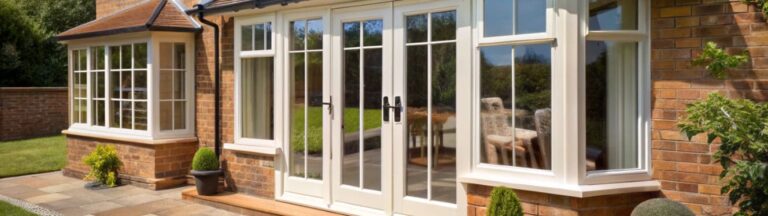
The best way to restore drafty French doors is to repair the exact source of the air leak instead of replacing the entire door. Rotten wood sections can be removed and rebuilt, worn seals can be replaced, hinges and locking hardware can be adjusted, and gaps around the frame can be professionally caulked. This helps make French doors airtight again while preserving their original style and character.
The beauty of French doors, especially as they lead into your backyard or patio, is extremely appealing but they are also very exposed to the elements and can sustain a lot of damage from constant use. With time, some of the oldest classic styles have become weak and no longer form a good seal, become squeaky, or have started rotting away from water damage. If you are searching for french door repair near me, the first step is to learn how to fix these stylish entrances.
Common Issues: Why Are My French Doors Leaking Air?
Before considering replacing your French doors, it is best to determine why my french doors are leaking air. At RottenWindowRepair, we often find that a few common issues are the culprits when french doors are not closing properly:
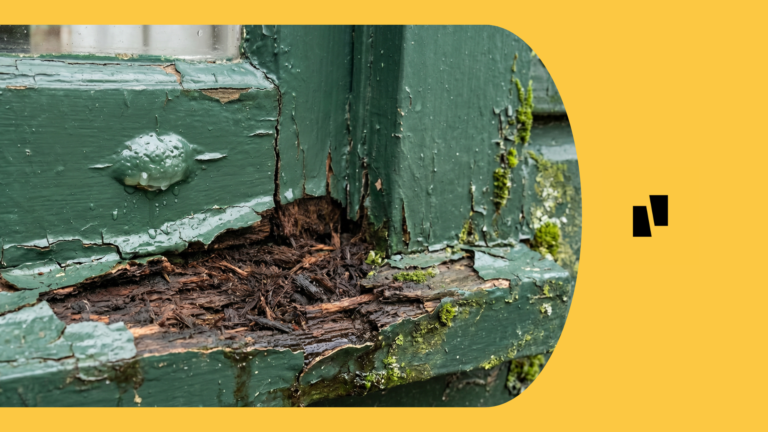
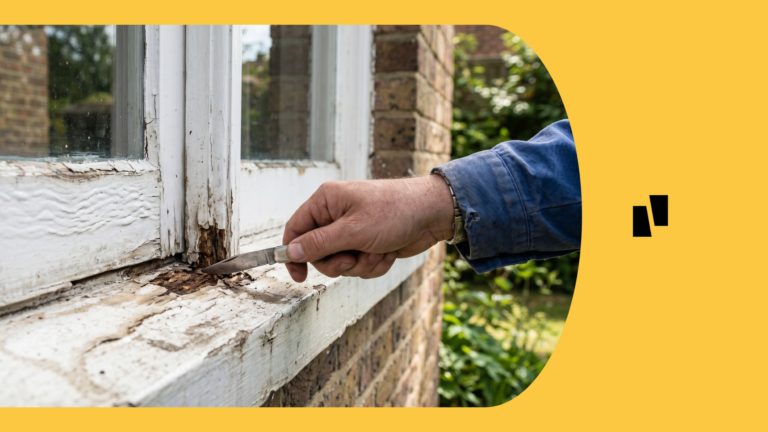
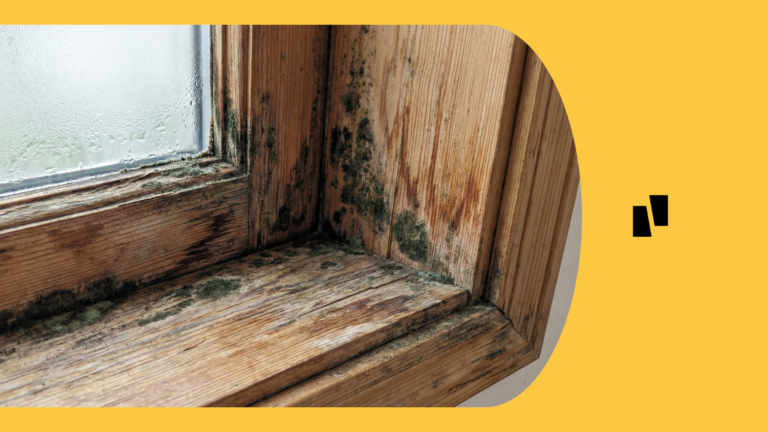
- Structural Decay: French doors can develop rot when made from wood as they are vulnerable to exposure and water damage.
- Worn Seals: If there is a visible gap in the french door, the original gaskets probably no longer exist.
- Hardware Misalignment: Using hinges for an extended period of time can cause them to sag or bend out of alignment, which can cause the doors to stick when it is closed.
- Compromised Insulation: Air leaks can occur due to cracks in the wall frame, gaps between moulding, and poorly installed joints causing the doors to have a higher energy bill.

How to Make French Doors Airtight and Functional
We focus our “surgical” restoration process on fixing drafty french doors by fixing the cause of drafty french doors rather than just treating the symptoms. Here is how to make your french doors airtight once again:
- Rotten Wood Replacement: We remove moisture-damaged sections of the frame or door and replace them with high-quality, treated wood.
- French Door Seal Replacement: We remove the old, damaged gaskets and replace them with high-quality silicone or rubber seals to completely block any drafts.
- Hardware Adjustment: We readjust the hinges and locking mechanisms to help eliminate issues with the french doors not meeting properly when shut.
- Professional Caulking: We offer a comprehensive caulking system to seal even the smallest air leaks around the perimeter of the french doors.

How to Modify French Door Frames for Better Insulation
To successfully learn how to modify french door frames for maximum insulation effect, you’ll need to achieve a good fit between the sash and the frame. Adjusting how the opening device operates will produce a good tight fit so that wind and frost coming through the doors will not get into the house from exterior sources. While this is detailed work, it is done for much less money than replacing the entire door frame. Still, whatever construction style your home has, you’ll be able to maintain the classic style of your home.
Keep your beautiful entrance looking great! We’ve assisted homeowners with their Andersen, Marvin, Pella, and other doors. We are happy to assist you as well.
Contact us today for a free assessment: