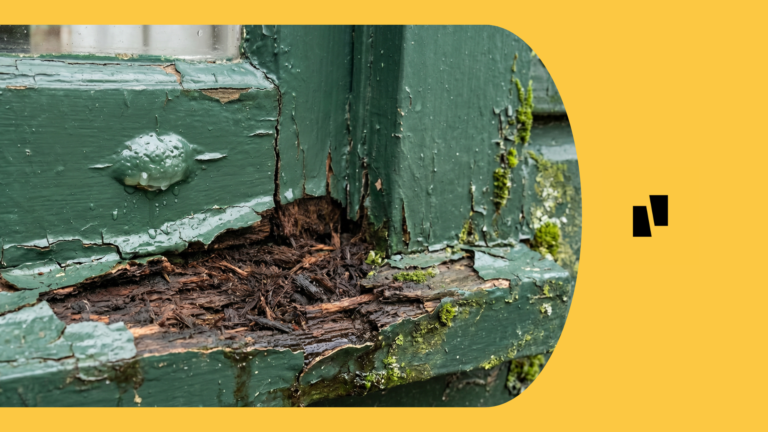
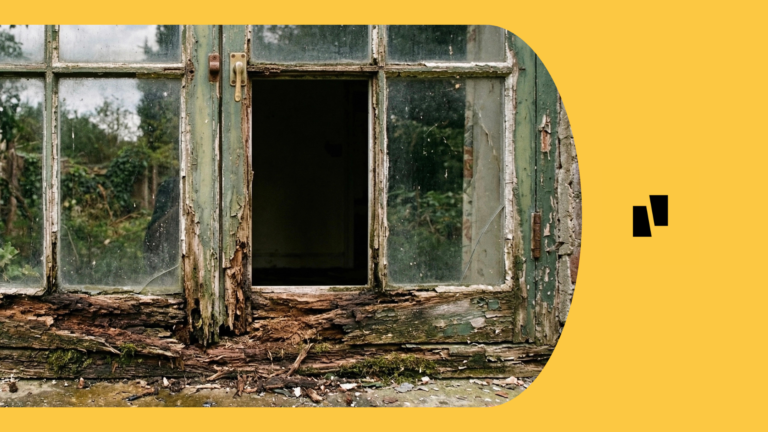
Unfortunately for homeowners, it’s common to find that doors and windows that were installed recently have already begun to show signs of rot. Even though wood is an attractive, classic building material, new methods of constraining timber during construction coupled with exposure to environmental conditions can cause the timber to rot before its expected lifespan.
1. Moisture Accumulation and the “Paint Trap”
The primary cause of rot is moisture becoming trapped between the wood fibers and the exterior finish.
- Capillary Action: Small openings or cracks in the paint (e.g., where two pieces of wood meet at a joint) can create small channels that draw moisture into the timber via capillary action.
- Surface Film: When the coating or film of paint stays intact on the timber, while moisture gathers underneath, the wood will develop what can only be described as a “greenhouse effect” whereby the wood will become damaged or rot away from the surface, but the damage is not visible to the naked eye.
- Exhaling Moisture: Bubbling of paint will often indicate moisture attempting to “exhale” from the timber (because the timber is saturated) by way of vapor or gas.

2. Modern Material Vulnerabilities
When comparing new wood windows, we need to take into account how the wood was manufactured and treated. Various forms of manufacturing affect the lifespan of the new wood window.
- Lack of Protective Coatings: The wood will not last long without proper protective coatings made from antiseptic, and protective stains. The wood has naturally occurring characteristics that can lead to rot, cracking, insect infestation, etc.
- Seal Failure: If the seals around the glass or frame fail, moisture will infiltrate the internal structure of the window unit resulting in accelerated decay of both the wood frames and window units.
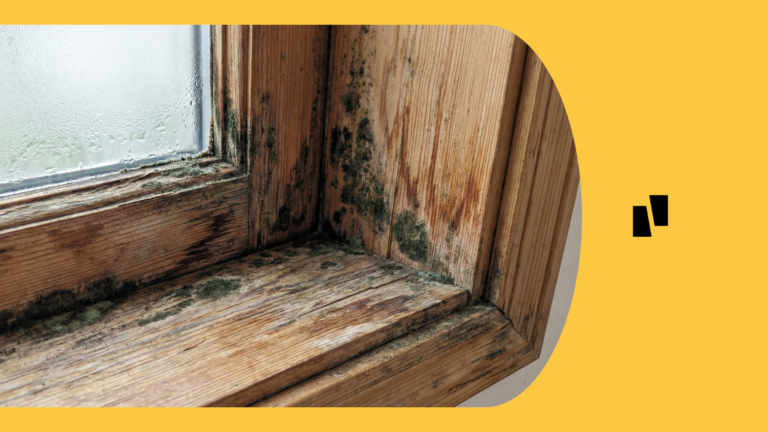
- Condensation: If the double-glazed window produces consistent fogging or evidence of moisture trapped between the panes of glass, the seal has failed, which results in a constant source of moisture for the interior of the wood frame.
3. Stress from Environmental Conditions and Poor Maintenance
New windows in regions like the Chicago suburbs face extreme weather that tests their integrity.
- Winter Expansion: With freezing temperatures and high moisture content, wood expands and contracts causing previously hidden weaknesses within the frame to become exposed or created.
- Horizontal Exposure: Window sills are particularly vulnerable because they are horizontally oriented and often exposed to direct rain and standing water.
- Neglected Hardware: When hinges, locks, and other hardware are not lubricated, when closed, the window does not create a tight seal leaving a means for water to enter the window unit.

4. Installation and Structural Issues
Sometimes the issue does not lie with the window itself but rather how it functions in conjunction with the structure of the house.
- Drainage: Improperly sloped sill (meaning it slopes toward the house and not away) may allow standing water or rain & snow to collect against the window frame creating rot.
- Settling: Gaps between the window frame and wall develop as a result of the home shrinking and moving which gives moisture access around the outside of the window.
How to Protect Your Investment
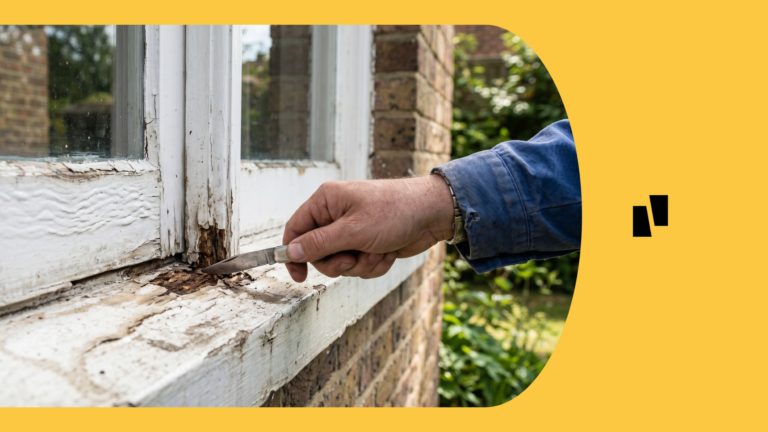
Perform a “Screwdriver” Test once per season to prolong the life of your wood windows. Press down on the wood at the joints with a screwdriver, if the wood is soft like butter then you have rot that has begun.
At Rotten Window Repair, we specialize in “surgical” restoration, removing only the decayed sections and replacing them with high-quality, treated wood to save you from the cost of another full replacement.
Worried about your new windows?
Contact us today for a free assessment: