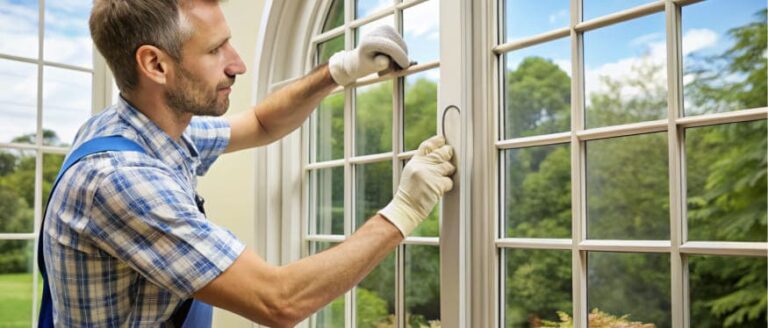
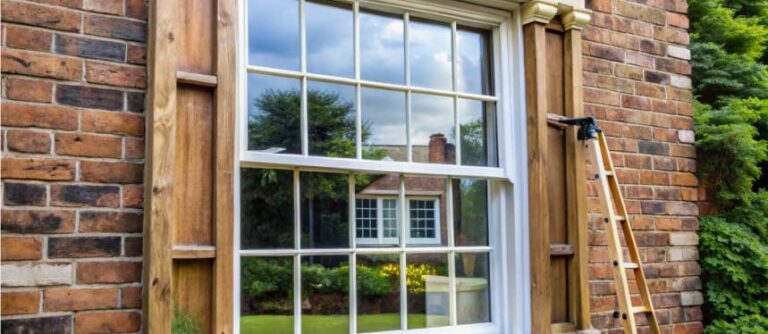
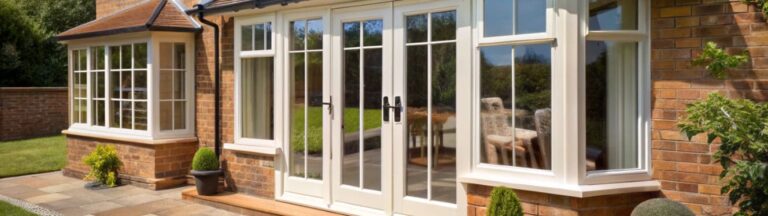
The best way to make rotten wood window repairs look seamless is to treat the repair like a precise restoration, not a simple patch. Damaged wood should be carefully removed, replaced with matching wood, sanded level with the original surface, finished in the same color and sheen, and sealed with professional caulking. This helps preserve the original window frame while making the repaired area almost invisible.
At Rotten Window Repair, we use a “surgical” approach to restore your windows and retain the historical integrity of your home. For new wood to blend perfectly with the original frames, this will take precision, the right materials and a good eye for detail.
Whether you are in a classic mansion in Hinsdale or a traditional house in Plainfield, please keep these tips in mind to make your repairs undetectable.
1. Precise “Surgical” Cutting and Shaping
The foundation of a perfect blend is the fit of the replacement piece. We use an individual approach to select wood elements that are identical in color and shape to your damaged ones. By cutting away only the “diseased” wood and keeping the healthy original structure, we create a clean joint that is much easier to hide.
To create a perfect blend, the fitting of a replacement piece must be precise. We take an individual approach in finding those existing wood elements (culled from your home) which will match the color and shape of the damaged wood. After cutting out only the “diseased” wood and keeping the original structure intact, we form a clean and maintained joint, making it easier to cover.
- Tip: Always measure the profile of existing sashes or sills to ensure that new wood does not create a “step” in the finish or an uneven surface.

2. Selecting High-Quality, Compatible Materials
The type of wood is as important as its quality. You want to work with the best material possible that will withstand the test of time. We use high-quality woods that have been tested to meet or exceed the density and grain of the original wood windows installed by the American window manufacturers Andersen, Marvin, or Pella.
Using the same species of wood ensures that both pieces (the new and old) will expand or contract at nearly the same rate and therefore reduces the chance of cracking in the paint at a later date.
- Tip: For the exterior side of windows, choose a hardwood that is resistant to moisture to prolong the life of your repair.

3. Seamless Sanding and Surface Prep
After we have installed the new piece of wood, we must sand the joint until it cannot be felt with your finger. We will sand the area (not just the patch) so that the new piece of wood will be at the exact same depth as the original. This process helps to prevent the “patchwork” look that often occurs when repairs are attempted by inexperienced individuals.
- Tip: Always wipe the surface dry and clean it of all dust before moving to the priming stage to ensure perfect adhesion.

4. Matching the Original Color and Sheen
Choosing the best way to paint or finish wood that has been painted or repaired is an important part of getting a completed project correct. The color and texture (satin, gloss, or matte) of the new paint must be the same as the original color and texture on the home. To achieve the best results, it is usually more effective to repaint an entire side of the frame or a sash to ensure consistency in the overall colour across the complete assembly.
- Tip: When selecting your new exterior paint, choose high-quality, eco-friendly paint with UV protection to help ensure that old and new pieces age evenly.

5. Professional Caulking for a Clean Border
To completely conceal the repair from view, gaps between the window frame and surrounding wall will need to be resolved. The caulking we use will fill in all gaps and voids with either a high-quality silicone or rubber caulk, producing a smooth and consistent professional border. Not only will this make the repair look better, they will provide an additional layer of insulation against the weather, and will increase energy efficiency by eliminating drafts.
- Tip: Utilize a continuous, smooth bead of sealant along the border of the window frame to create a professional look and eliminate the appearance of any structural changes.

For long-lasting repairs that will not show, turn to the professionals at Rotten Window Repair to completely eliminate the repairs from view.
Contact us today for a free assessment: