Unaddressed window issues during home inspections can lead to lost sales or costly seller concessions. Many common red flags, such as wood rot and failed thermal seals, can be fixed through specialized restoration or targeted glass replacement rather than expensive full replacements. Taking proactive steps before the buyer walkthrough ensures your home meets safety and efficiency standards for a smooth closing.
Once a home enters the inspection phase of a real estate transaction, windows are typically one of the most common areas inspected to assess how well the home has been kept up. Inspectors evaluate much more than just the appearance of the window, they look at things like how structurally sound the window is, how energy-efficient the window is, and what kind of life safety standards have been followed.
If sellers don’t address their window issues before the inspection, the buyer could negotiate for seller concessions or repairs, and in some cases, think that the maintenance requirement associated with their window repairs is too great and cancel the contract altogether.
In many cases, the window issues that will stop the transaction from closing such as signs of decay or fogged windows can actually be repaired using specialized restoration techniques instead of replacing them. However, in order to successfully execute these types of repairs, the window issues should be addressed by a qualified professional before the walk-through occurs.
Common Window Red Flags in Home Inspections
Window inspections are performed by using certain criteria to determine whether the window is operational or it has failed and needs a replacement. Detecting the issue before it is too extensive allows the homeowner to make repairs that can comply with the minimum standards required to pass the inspection without incurring the additional financial expense of installing a completely new unit.
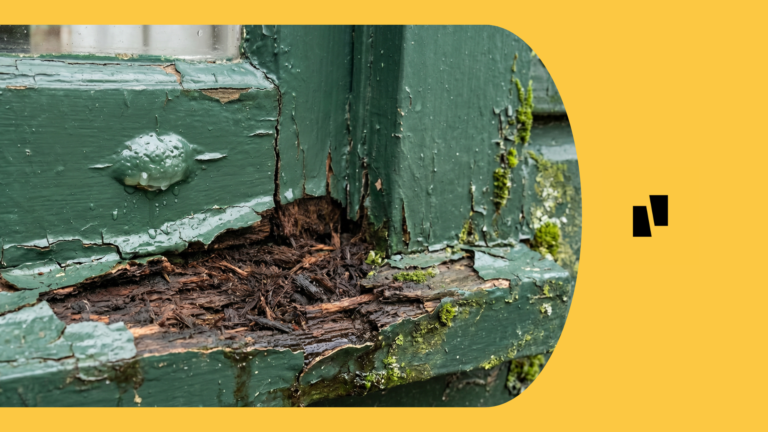
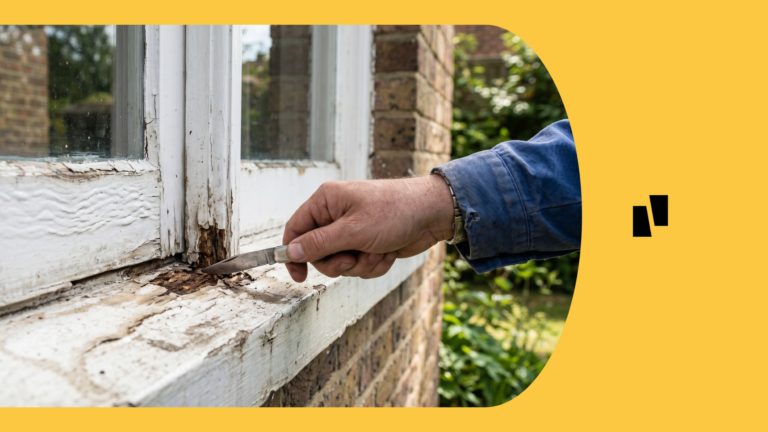
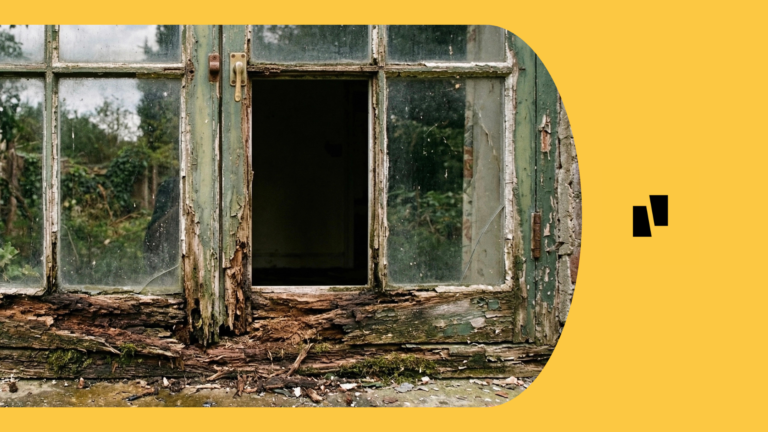
- Visible Wood Rot and Structural Decay: Inspectors often look for any “soft spots” on wooden sills, sashes, or frames. Wood that feels spongy to the touch can indicate the wood has water damage and has had its structural integrity compromised.
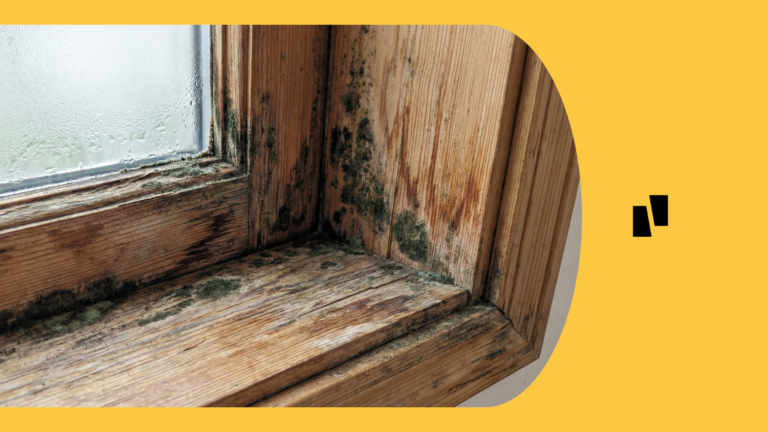
- Failed Thermal Seals: The presence of condensation or “cloudy” glass between the two panes of a double-glazed window is a large strike against that window. This indicates that the seal between the glass unit has failed and that the window is now no longer an energy-efficient window, and the potential for continued internal wood rot exists.
- Operation and Hardware Issues: In order for a window to satisfy basic safety and egress requirements, it must be able to be open, close, and lock smoothly. Sticking sashes, broken balances, broken hinges, or faulty locks are all reported as safety hazards.
- Interior Water Damage: Dampness or discoloration of the drywall or wood trim inside the home will usually indicate a significant failure, as water has penetrated beyond the exterior defences of the window through the full thickness of the window unit.
- Drafts and Poor Insulation: Drafts will often indicate failure in weatherstripping, window frames that have cracked or have gaps between themselves and the structure of the house that provide a pathway for air to leak, all of which contribute to higher utility bills. Inspectors often employ thermal imaging cameras to identify air leaks.
The “Surgical” Restoration Solution
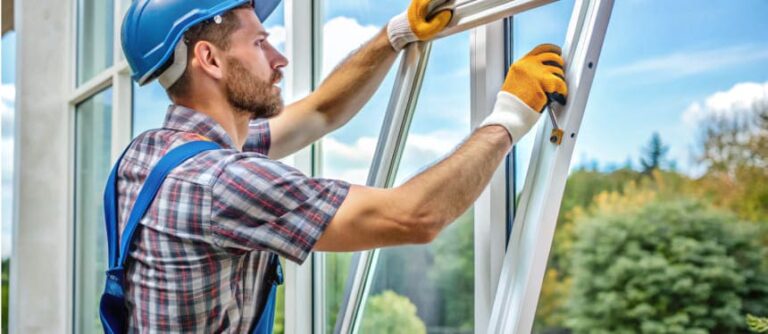
Instead of opting to fully replace windows, which usually is the “last choice” due to expense and likely loss of the home’s architectural spirit, skilled technicians employ a “surgical” technique to satisfy home inspectors. A precise diagnosis begins with this method to locate hidden rot, it is followed by specifically removing only the “sick” or rotted wood, while leaving the intact, healthy, original wood intact. By incorporating new, high-quality wood that matches the original shape and color, the window is fully restored to its original structural integrity and strength. This method is an excellent way to keep the historical integrity of homes located in areas similar to Hinsdale, allows for an inspector-approved permanent solution; all at a tiny fraction of would have cost for total window replacement.
Actionable Steps to Secure a Closing
Being proactive in addressing window health will help streamline the selling process and relieve the buyer’s concern for future durability of the home.
Conduct a Seasonal “Screwdriver Test”: Take a screwdriver and use it to press on the joints of your windows. If it penetrates the wood easily, it means that the window is rotting and the rotting will likely continue until it is removed by a professional before it starts to spread to the rest of the platform studs.
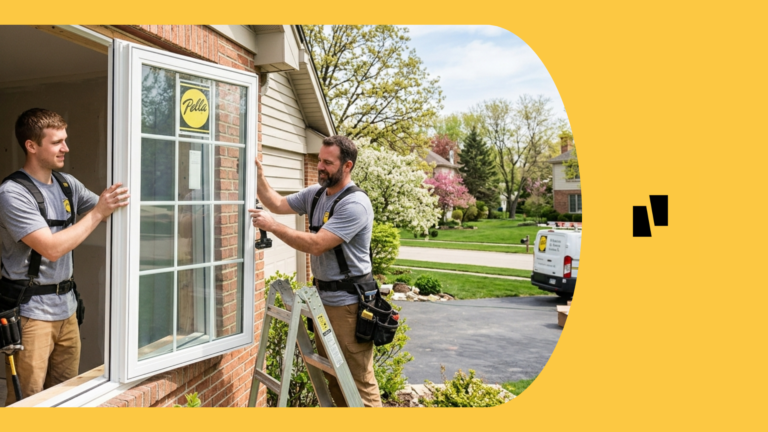
Replace Glass Only When Necessary: If the glass in your windows is fogged up or cracked you can usually replace the individual unit with high-performance Cardinal IG units without having to replace the entire frame which can save thousands of dollars, and eliminate a “failed seal” from an inspector’s report.
Professional Caulking and Sealing: Use high-quality silicone or rubber caulk to fill in the gaps between the window frame and the walls. This will eliminate the drafts, help improve the efficiency of your home, and prevent any future intrusion of moisture.
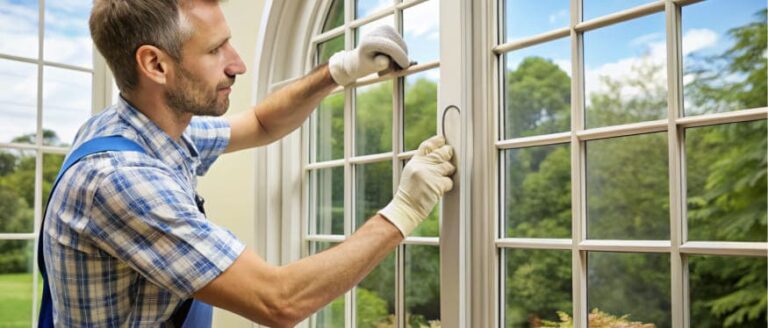
Hardware Maintenance: Ensure that all of the cranks, balances, and locks are in good working order and that all the tracks operate in accordance with the manufacturer’s specification will eliminate any safety-related red flags and improve the overall functionality of your home.
By following these suggestions, a seller will be able to avoid the panic of last minute repairs and present their home as truly “move-in ready”. Professional restoration not only passes the inspection but also maintains the property value by respecting the home’s original craftsmanship.
Contact us today for a free assessment:
- Phone: +1 (630) 716-6181
- Email: rottenwindowrepair@gmail.com
FAQ
What are the most common window red flags found during a home inspection?
Inspectors primarily look for visible wood rot, failed thermal seals causing fogged glass, operational defects like sticking sashes or broken locks, interior water damage on drywall, and energy-draining drafts.
Do I need to replace the entire window if the glass is fogged or the frame has rot?
No. Fogged glass can be resolved by replacing just the insulated glass unit, and rot can often be surgically removed and repaired using high-quality wood restoration techniques at a fraction of full replacement costs.
How can sellers inspect their own windows for rot before the official home inspection?
You can perform a simple “screwdriver test” by pressing a screwdriver tip gently into the wooden sills and joints; if the wood feels soft or the driver penetrates easily, active rot is present and needs repair.
Why is repairing window issues before the walkthrough so important for closing?
Fixing window problems proactively prevents last-minute buyer negotiations, avoids requests for high concessions, and eliminates safety hazards that could cause a buyer to cancel the contract.