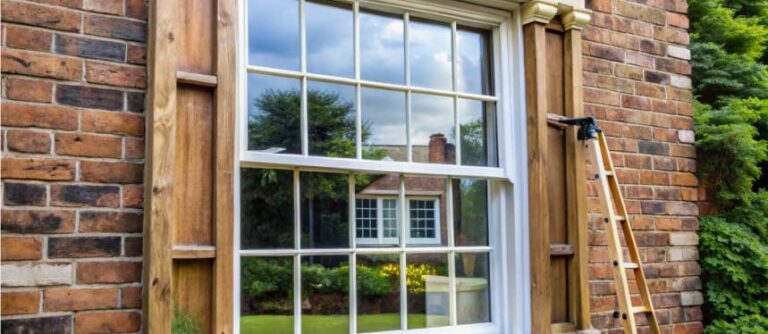
Incorrect window sealing traps moisture inside the frame, creating an internal "greenhouse effect" that turns wood into mulch while the exterior looks perfectly fine. To prevent structural rot, never just paint over soft spots. Professional window repair in Chicago requires removing the decayed wood surgically and using breathable, high-quality sealants that withstand extreme temperature swings.
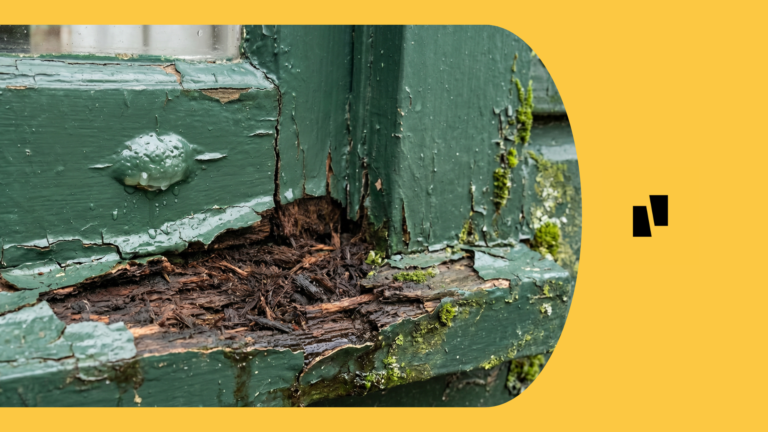
When sealants are applied incorrectly or with incorrect materials, problems can arise that will result in moisture being trapped inside your window frames, causing them to turn to mulch. At Rotten Window Repair, we regularly observe windows that appear flawless from the exterior, but are actually severely deteriorated on the interior due to moisture’s inability to escape.
The “Greenhouse Effect” of Deteriorating Moisture
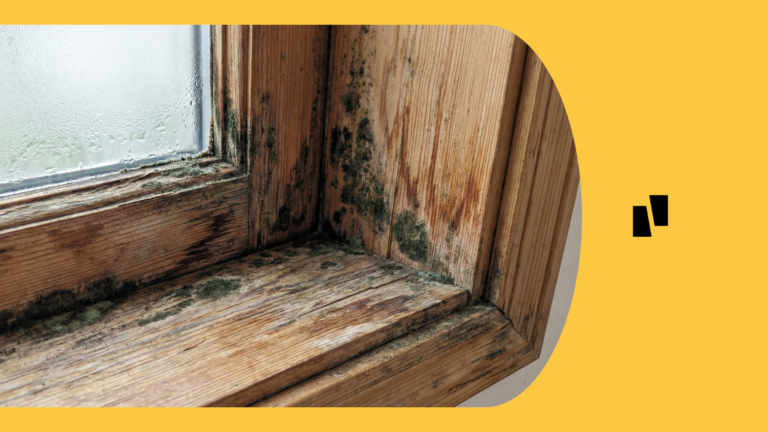
When windows are sealed improperly (either as a result of homemade error or by use of aged materials) they will result in moisture getting into the window, but not allowing it to escape. Ultimately, trapped moisture creates a cycle of decay:
- Capillary Action: Small cracks or splits in paint, especially at joints allow for moisture to be transferred into the window’s wood through capillary action.
- The Vapor Barrier Trap: If an old coat of paint or sealant is placed over new wet wood, the trapped moisture cannot evaporate.
- Internal Rot: As the trapped moisture continues to decay the wood from the interior, the paint film on the exterior will still appear new.
- Signs of “Exhaling”: Bubbling or blistering paint is a primary indicator that moisture is trying to “exhale” out of the wood as air but is being blocked by the seal.

Why “Just Painting Over It” Fails
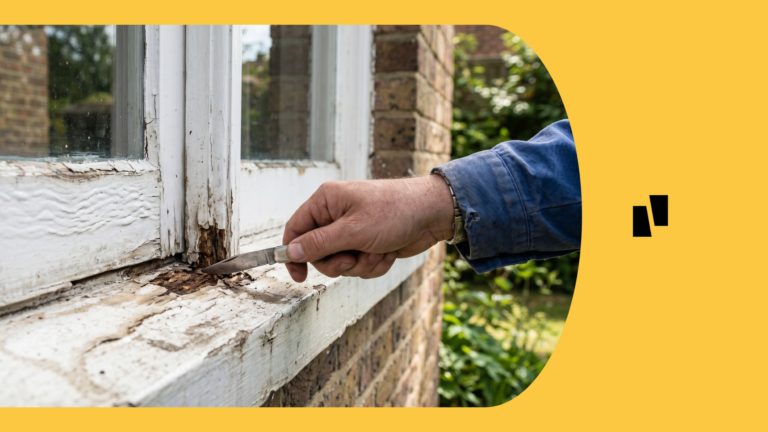
Many times, when homeowners see a soft area on wood they wish to cover, their first approach is to simply apply paint or a bead of caulk over that location. However, this practice typically does more harm than good for the following reasons:
- Feeding the Fungus: By painting over decayed wood, not only do you cover the area up, but you also continue to grow the fungus that caused the original decay.
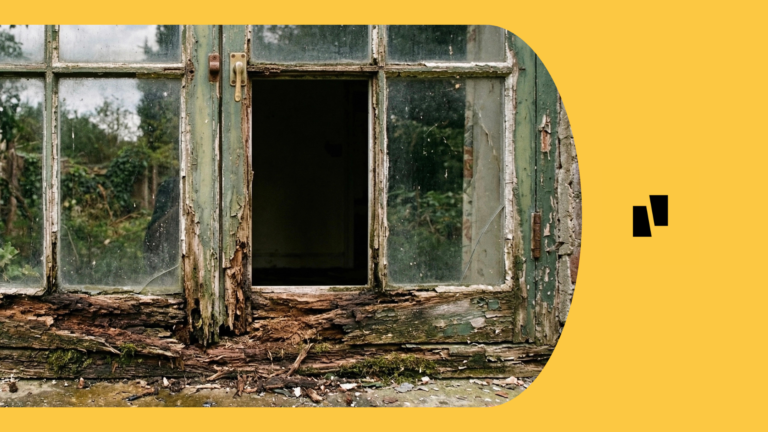
- Rapid Mulching: The ability of the wood fibers to dry out was diminished prior to sealing over the area, therefore the breakdown process for the wood fiber has accelerated; in essence, the decayed area becomes a mulch-like material (referred to as “internal mulch”).
- False Security: You may think you have properly sealed the window, but in fact, the structural integrity will continue to degrade until failure, resulting in complete glass failure.

Solution: Breathable, Professional Sealing
In order to avoid moisture from being trapped within the wood of a window, you will require the use of a quality Caulking Service that works with proper grade material and applies sealants only where warranted.
- Surgical Removal First: When we apply any sealant or paint, we never seal over decayed wood; we utilize our patented “surgical” restoration technique to remove decayed wood and replace it with fresh, properly treated lumber prior to the application of a sealant.
- High-Quality Sealants: We recommend and use silicone and rubber seals because they last longer, retain heat better, and maintain their bond during Chicago’s extreme temperature fluctuations.
- Proper Prep: Before any sealant or paint is applied, we ensure the wood is clean, degreased, and completely dry.
Don’t let a poor seal destroy your windows. If you suspect your windows are trapping moisture.
Contact us today for a free assessment:
- Phone: +1 (630) 716-6181
- Email: rottenwindowrepair@gmail.com