Capillary action pulls rainwater through microscopic paint cracks deep into wooden window frames, where intact surrounding paint traps the moisture and creates an ideal environment for wood-decaying fungi. Attempting to paint over or caulk these soft spots accelerates structural rot from the inside out, making full removal of infected wood and proper dry sealing essential.
Most people refer to wood rot as a “silent killer,” because it destroys your window frames before you ever know it is happening and you can’t see it on the surface because the wood has already turned into mulch before it is actually visible. The main “scientific” reason for this type of destruction occurring undetected is due to capillary action, which is something a homeowner should understand in order to help prevent expensive structural failures by keeping the windows and associated systems from losing their integrity.
What is Capillary Action?
Capillary action is the process by which a liquid will flow through a narrow passage without the aid of external forces or against them. In the context of your home’s windows, this occurs through the microscopic channels within wood fibers. When water finds its way to a very small opening the surface tension of the water will pull the water into these tiny channels.
Lifecycle of Moisture Traps
The cycle of internal wood rot generally follows a predictable scientific process from when the protective “skin” of the window has failed.
- The Breach: All paint, no matter how high quality, eventually develops microscopic cracks, especially at the corners and joints of two pieces of wood.
- The Infiltration: Rain or melting snow is “sucked” into those cracks via capillary action. The water is pulled deep into the wood fiber, out of reach of the wind or sun.
- The Greenhouse Effect: Once the water is within the wood, the completely intact paint that surrounds the crack acts as a vapor barrier, creating a “greenhouse effect” that traps the moisture and prevents evaporation.
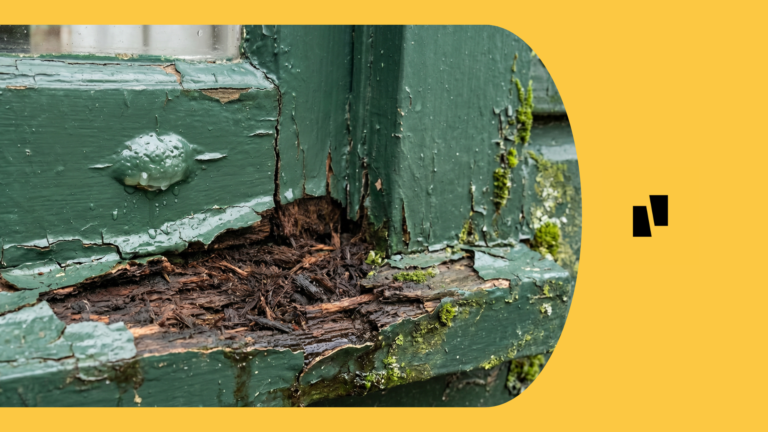
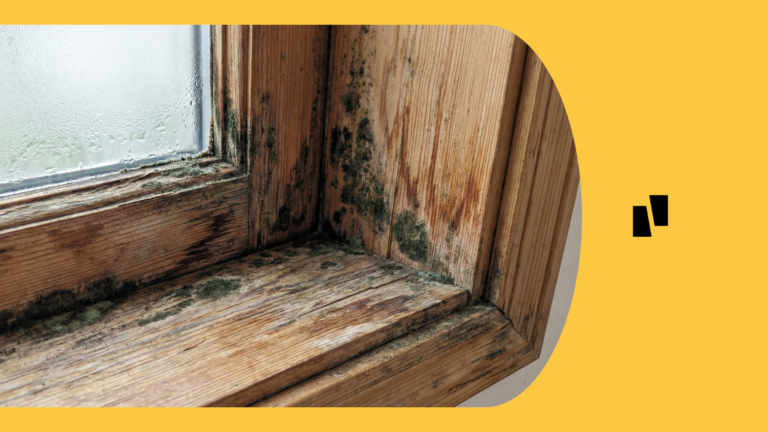
- The Feast: These dark, damp conditions are the perfect incubators for wood-decaying fungal growth. These fungi feed on the wet wood fibers, turning them into a soft,crumbly substance commonly referred to as “internal mulch”.
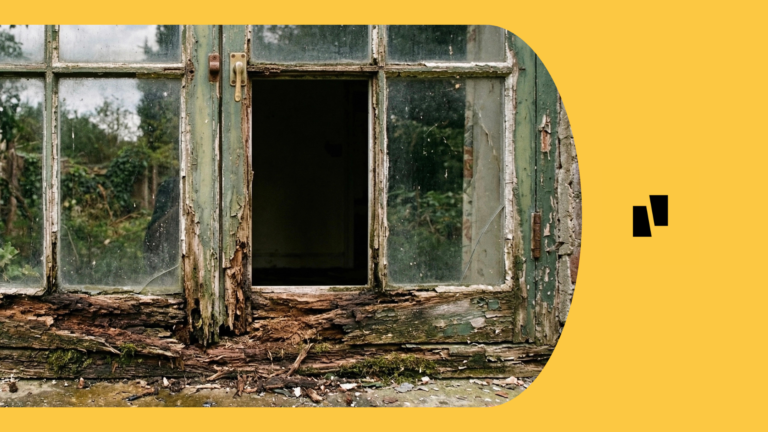
- The “Exhalation”: Eventually, the wood will be thoroughly saturated and the moisture trapped within the wood will attempt to escape as vapor or gas, causing the exterior paint to blister or bubble.
Why “Just Painting Over It” Accelerates the Science of Rot
Many homeowners will “repair” a soft spot by painting over it with new paint or putting down a bead of caulk. This is one of the worst things you can do from a scientific standpoint for a number of reasons.
- Feeding the Pathogen: By sealing the area you are providing the fungus that was there with a consistent warm, wet environment which actually “feeds” the existing decay.
- Trapping Moisture: New paint will lock moisture into the wood and therefore speed up the breakdown of wood fibers.
- Structural Compromise: Although on the outside it looks “new”, the wood frame is decaying at such an increased rate that the frame no longer has the structural integrity required to hold the weight of the glass. This could lead to total glass failure.
Professional Countermeasures
To stop the science of rotting you need to break the moisture infiltration cycle. At Rotten Window Repair we use a surgical restoration approach to address the underlying cause.
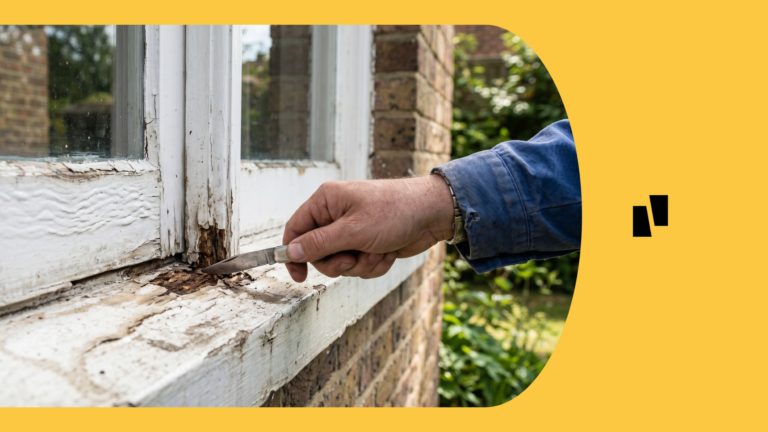
- Removal of Contaminated Materials: We remove all rotting wood and moldy materials to eliminate the source of fungal spores.
- Breathable Sealing: We use only high-quality silicone and rubber seals that will maintain their bond with multiple extremes of temperature in Chicago areas, and won’t allow future air and moisture to pass through.
- Precision Prep: Before any sealant is applied, we ensure the wood is clean, degreased, and most importantly – completely dry to ensure perfect adhesion.
Contact us today for a free assessment:
- Phone: +1 (630) 716-6181
- Email: rottenwindowrepair@gmail.com
FAQ
What is capillary action and how does it ruin wood windows?
Capillary action is the physical process where liquid is drawn into microscopic channels or narrow gaps without external force. In wooden window frames, water gets sucked through tiny paint cracks deep into the wood fibers, where wind and sun cannot reach to dry it out.
Why does intact paint make internal wood rot worse?
Once water enters through a microscopic breach, the surrounding intact paint acts as a vapor barrier. This creates a “greenhouse effect” that traps moisture inside, creating a dark, damp incubator for wood-decaying fungi to break down the timber into soft, crumbly “mulch.”
Is it safe to repair a rotted window frame by painting or caulking over it?
No. Painting over or applying caulk over rotted wood seals the moisture and active fungal spores inside, which actually accelerates decay. While the exterior may temporarily look fresh, the internal frame rapidly loses its structural integrity, risking window glass failure.
How can internal wood rot be permanently stopped?
Stopping decay requires breaking the moisture infiltration cycle. Professional restoration involves surgically cutting out all fungal-infected wood, ensuring the remaining timber is completely dry, and applying flexible, temperature-resistant silicone or rubber sealants to prevent future leaks.