Window sills take the most damage because their horizontal orientation accumulates standing water from rain and snow, especially when installed with an improper pitch. A targeted "surgical" repair replaces only the decayed wood, restores the proper drainage slope, and seals the window frame against future moisture damage.
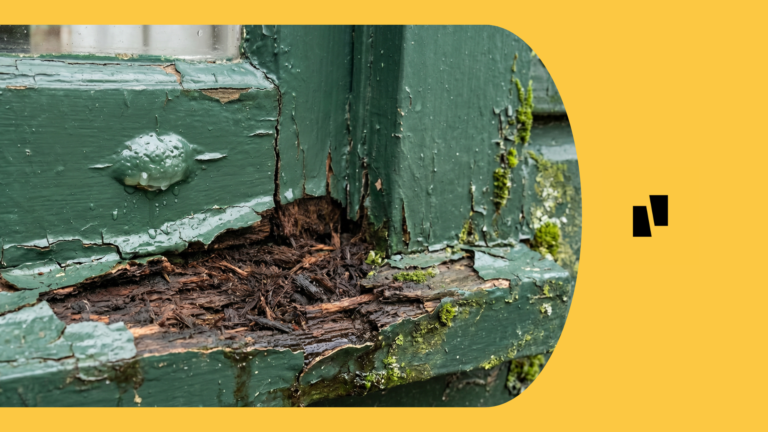
The window sill is frequently the first place to show signs of wood rot or decay when evaluating a residence to ascertain if the window frames are decayed. On the other hand, the vertical sections of a window have the ability to expel water relatively quickly; hence, the sills always receive the first impact of climatic conditions. It is essential to comprehend the basics of horizontal exposure and the critical requirement for correct drainage in order to avoid your window frames becoming “internal mulch”.
Across the spectrum of home repairs and upkeep, horizontal surfaces are subject to substantial disadvantage compared to vertical surfaces because window sills have a horizontal orientation and therefore experience maximum exposure to environmental stress and absorbance of moisture.
Gravity and Standing Water: When it rains or there is a thaw from snow, gravity draws the rain and melts the snow directly onto the window sill which causes a lot of damage due to this being a flat surface.
Improper Pitch: The window sills need to be perfectly pitched in relation to the house and if they aren’t, the water is pooled up rather than shed off.
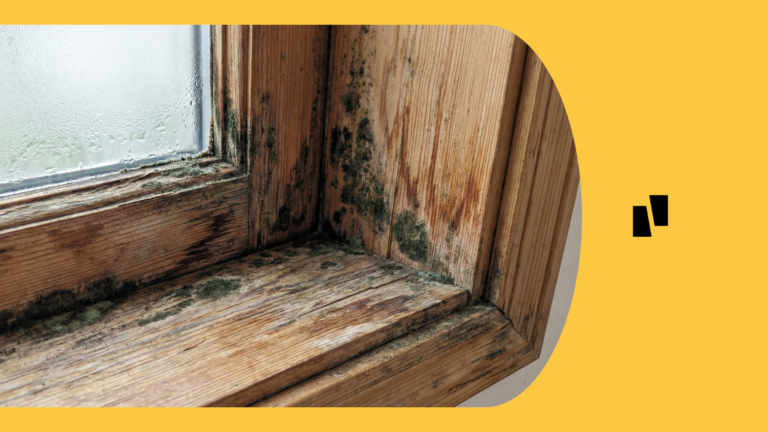
The “Sponge” Effect: As the lowest point of the exterior window unit, the rotten window sill acts like a sponge to absorb water which will ultimately lead to the growth of mildew and mold.
Winter Pressure: Extreme winter weather in Illinois puts a significant amount of pressure on the window sills causing wood in window sills to expand and contract by exposing hidden weaknesses throughout the sills.
The Importance of Proper Sill Slope
The most important way to prevent rotten window sills is the proper “slope” or “pitch” of the wood. The way the sill is installed must allow water to drain downward and away from the interior of the window frame.
If a sill is improperly sloped, it will cause a major structural failure. Rainwater or melted snow collects against the window frame, allowing moisture to penetrate the interior structure. This repeated exposure to moisture bypasses the outside defenses provided by the glass, eventually causing the sill to rot and changing the look of the trim or drywall inside.
The “Surgical” Method for Repairing Windowsills
If you are looking to repair window frame damage due to rotted wood around the window sill, the experts at Rotten Window Repairs specialize in a technique called a “surgical” method as a way to repair the window frames by dismantling the old window frame and replacing only the damaged area, while leaving the original structure mostly intact and correcting any drainage issues of the original sill.
Diagnosis: A comprehensive diagnosis of any hidden wood rot occurs before starting restoration.
Removal: Targeted removal of rotted or “diseased” wood sections.
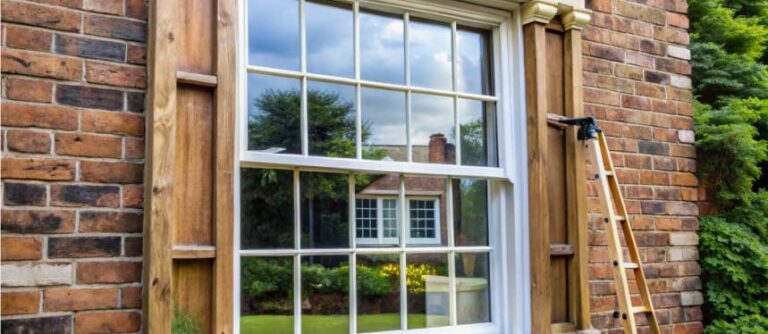
Replacement: Replacement with equivalent high-quality materials that closely match the original trim of premium brands such as Andersen, Marvin, or Pella.
Sealing: We complete the repair with a caulking service using silicone or rubber seals for long-lasting protection against moisture.
Pitch Correcting: New wood is installed with a proper downward slope to ensure future water shedding.
How To Tell If Your Window Frame Has Rot
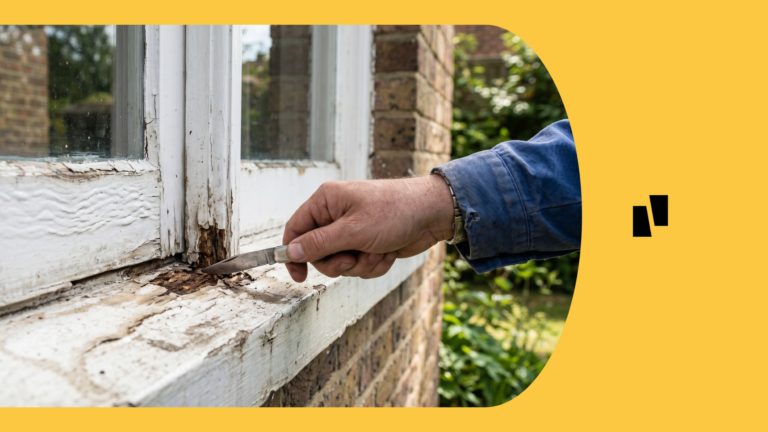
To avoid total window failure, it’s a good idea to check for rot regularly using a “Screwdriver Test”:
Apply the Tool: Once a season, press a screw driver around the sill joints of your window where two boards meet.
Evaluate Resistance: If the screw driver goes into the wood easily, that means this section of your window has already begun rotting from the inside out.
Check for “Exhaling”: You should see or feel the “exhaling” of moisture, such as flaking, cracking, or bubbling.
If there are soft spots on the window frame, then do not simply paint over soft spots. Painting over the rot will trap moisture and increase the rate of the weathering process. You should seek a long-term solution that will restore the function of the drainage systems in your home.
We provide professional window and door restoration service in and around the Chicago area. Our services include rotten wood replacement, sash and sill repair, high-performance glass replacement using Cardinal IG units, and professional caulking. For woodwork we offer a 10 year warranty on all jobs and a 20 year warranty for all new window thermal glass for the life of the window.
Contact us today for a free assessment:
Phone: +1 (630) 716-6181
Email: rottenwindowrepair@gmail.com
FAQ
Why do window sills decay faster than vertical window frames?
Unlike vertical surfaces that shed moisture quickly, horizontal window sills bear the direct impact of gravity, rain, and snow melt. Flat orientation and standing water allow moisture to absorb deeply into the wood, acting like a sponge for mold and decay.
Why is the sill slope (pitch) critical for moisture protection?
A proper downward slope directs water away from the interior frame structure. An incorrect pitch causes water to pool against the window, penetrating the outer defenses and leading to internal wood rot, drywall damage, and trim degradation.
How can homeowners test for hidden window frame rot?
Perform the “Screwdriver Test” once a season by pressing a screwdriver into the sill joints where boards meet. If the tool penetrates easily or you notice bubbling, cracking, or flaking paint, the wood is actively rotting from the inside out.
Is it safe to paint over soft spots on a window sill?
No. Painting over rotted wood traps moisture inside the frame, accelerating the weathering and decay process. A long-term structural repair and drainage correction are required instead.