Surface condensation on the inside or outside of glass is a manageable humidity issue, whereas permanent fogging trapped between panes indicates a blown thermal seal. If left untreated, failed seals compromise energy efficiency and cause surrounding wood frames to rot, but replacing just the glass unit offers a lasting, cost-effective solution.
Condensation on the inside or outside of a window is usually a natural process and not an indication that it is broken. This surface “sweating” is caused by warm, humid air coming into contact with cold glass.
- Interior Condensation: Condensation in the inside of your window is usually due to high humidity in your home during winter.
- Exterior Condensation: Condensation in the outside of your window usually occurs from moisture saturating the inside of double-glazed windows at night when the outside temperature drops below the freezing point.
- The Fix: To manage most of this surface condensation issue, you can improve ventilation in your home or set up systems to manage humidity levels indoors.

Signs of Permanent Seal Failure
The presence of moisture between panes of glass in a double-glazed or triple-glazed window is a solid indication that the thermal seal has failed.
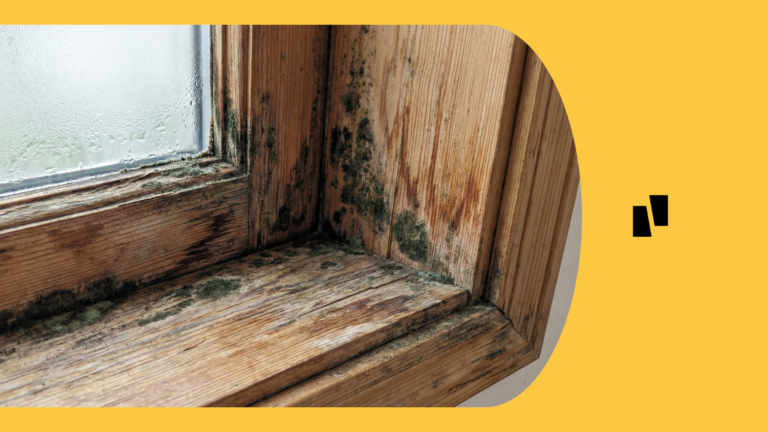
- Trapped Fogging: If there is fogging, consistently available for a long period of time, that cannot be wiped away from either side of the double-glazed unit, this would also indicate a complete loss in the air-tight and integrity of the window.
- Cloudy Appearance: Over time, droplets of water trapped between the glass will cause the internal glass to appear “cloudy” or necessary chemical reactions may take place between the minerals in the trapped moisture, thus leaving it ‘etched’ on the surface.
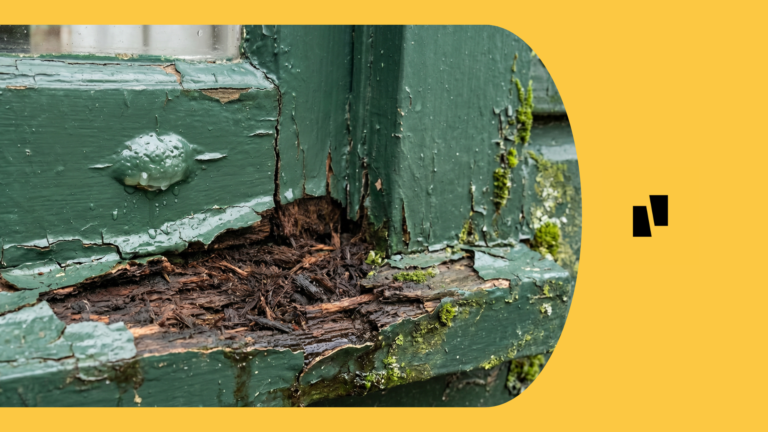
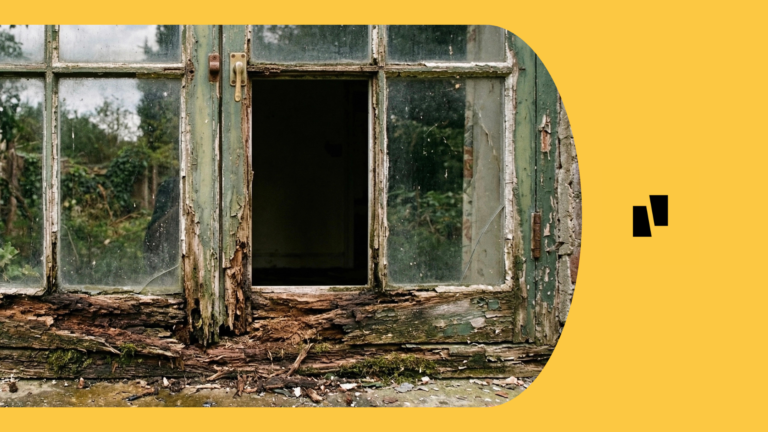
- Accelerated Decay: A failed thermal seal will cause a constant flow of moisture into the wood frame interior, thus leading to a condition of internal rotting and development of soft spots.
- Loss of Insulation: Once the thermal seal is broken, then the insulating argon gas that was contained within the unit will escape and substantially reduce the efficiency of the window to retain heat.

The “Surgical” Solution for Failed Seals
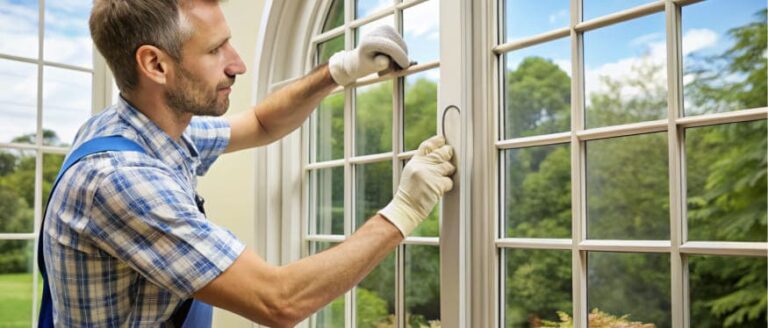
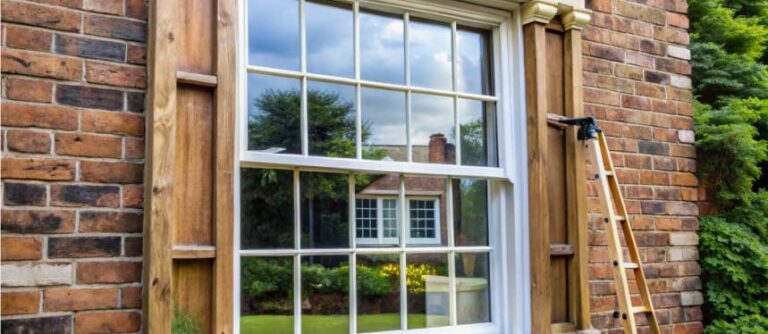
If your windows have a broken seal, then it does not automatically mean that you must replace all of the windows. Rotten Window Repair will preserve your existing frames, and perform targeted repair on those frames.
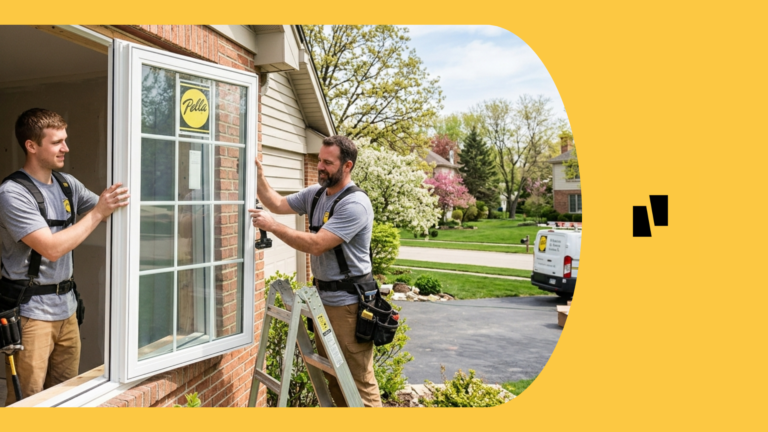
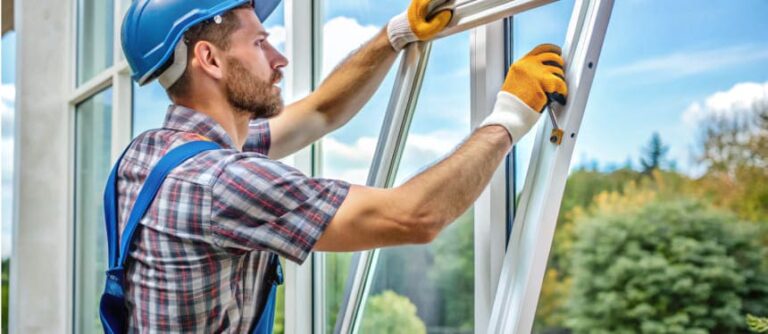
- Glass Replacement: If your glass is cracked, foggy, or has a failed seal, we’ll replace the glass unit, not the entire window and save your money.
- High-Performance Upgrades: A Cardinal IG will be installed as a replacement glass unit, these units have stainless steel spacers and double silicone sealants to prevent future moisture in the seal.
- Long-Term Protection: All Cardinals glass units are covered by the best warranty in the industry – 20 years on the thermal seal.
- Frame Restoration: In cases where the broken seal has resulted in wood rot, we will use our “surgical” method of removing any damaged wood and replacing it with treated lumber.
Why You Shouldn’t Wait
Don’t wait too long to address a failed seal; this can create lots of issues. Firstly, you’ll lose energy efficiency, and then the moisture trapped within your window frames will ultimately create mulch on the inside of your frames.
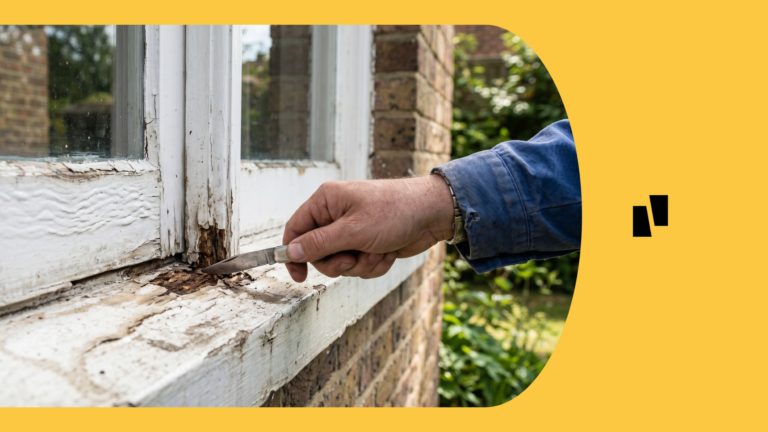
If you are wondering whether your window frames may be rotting due to a problem with your glass, try doing a “Screwdriver Test” at the joints of the frames. If the wood is soft like butter, the moisture has migrated from the glass into the window frames.
We provide expert window and door restoration services throughout the Chicago suburbs. Our dedicated and experienced team has the knowledge and skills required for the restoration of rotten wood, sash and sill repairs, and installation of high-performance glass products. We also offer a 10-year warranty on our wood products and all new glass units come with a 20-year warranty on the thermal seals.
Contact us today for a free assessment:
- Phone: +1 (630) 716-6181
- Email: rottenwindowrepair@gmail.com