Modern window seals utilizing stainless steel spacers and double silicone offer superior protection against extreme weather, preventing hidden wood rot and energy loss. Professional restoration services in the Chicago suburbs can repair these components and save homeowners the high cost of full window replacements.
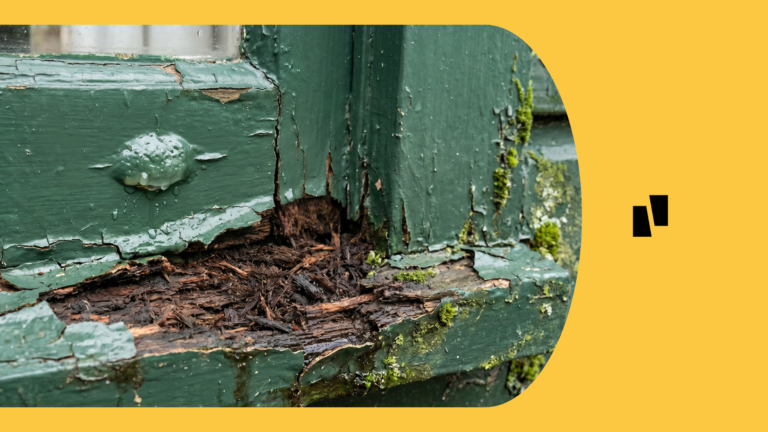
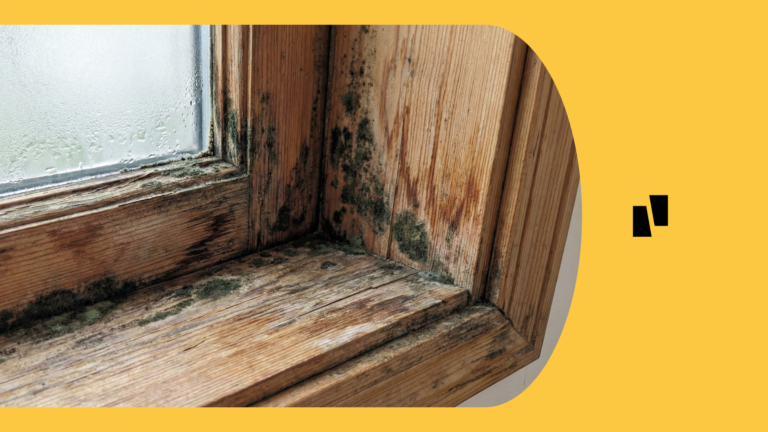
Windows are only as strong as their seals, which is why the importance of advanced materials cannot be stressed enough in order to eliminate internal rot and conserve energy within your home. Older or poor quality windows tend to fail because traditional sealants are not strong enough to withstand the extreme temperature swings associated with the climate of Illinois. When a seal fails, it produces a “greenhouse effect” by trapping air underneath the paint and between glass panes, causing the wood to rot from the inside without being readily visible. Once trapped, moisture accelerates the breakdown of wood fibers into compost. Consequently, significant structural damage and the possible failure of the glass occur.
The spacer serves as the structural heart of the insulating unit, and as such, provides structural support by keeping the two glass panes separated and establishing an airspace between them. Most manufacturers use either foam or aluminum for their spacers; however, high-performance glass units use stainless steel to provide a far greater barrier. Stainless steel is exceptionally effective at retaining argon gas and resisting condensation around the edge of the glass; thus, it helps prevent the moisture build-up that leads to rot on window sills. By maintaining a rigid, durable frame, stainless steel ensures the window remains stable even when surviving extreme heat reaching 140°F, high humidity, and intense UV exposure.
Standard Window Seal Weaknesses
Traditional Insulated Glass Units (IGUs) often utilize materials that are susceptible to becoming damaged due to outside elements:
- Chemical Fogging: Chemical fogging occurs in much of the glass made with polymer based spacers containing outgassing characteristics producing a chemical fogging in an interior of the glass that is both permanent and unsightly.
- Seal Stress: Low-quality sealants often lose their bond during winter expansion and contraction, exposing any vulnerabilities in the window frame that were previously undetectable.
- Capillary Action: Once the seal in a unit has failed, the moisture is drawn through small cracks in the coating and below the surface of the wood due to capillary action.
- Energy Inefficiency: When a seal fails it allows the insulating argon gas to escape which is the leading cause of heating and cooling independent of climate zone; and insufficient temperature regulation.
- Fungal Growth: Moisture trapped between the seal on a window and the wall framing creates a nursery for rot fungus (wood decaying) and subsequently creates an opportunity for the glass assembly to deteriorate.
- Hardware Strain: When moisture causes wood to swell and rot, it puts additional pressure on hinges and locks, making the window difficult to operate or causing it to feel “spongy”.
- Interior Damage: The failure of a seal frequently allows moisture to travel through the thickness of the glazing and walls causing the formation of yellowish marks on interior casing materials or walls of the home.
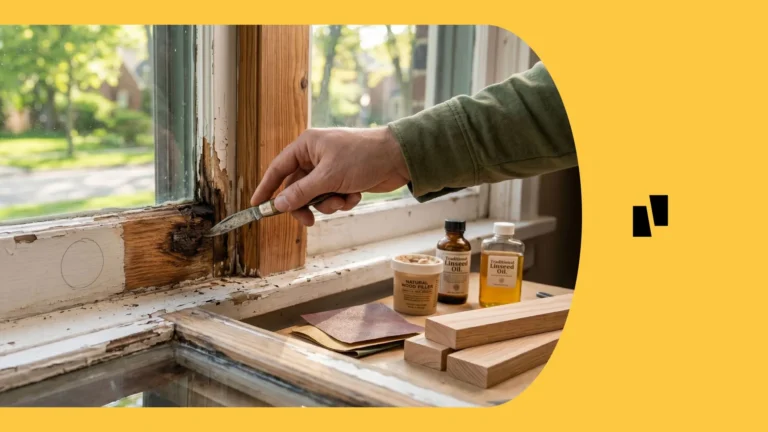
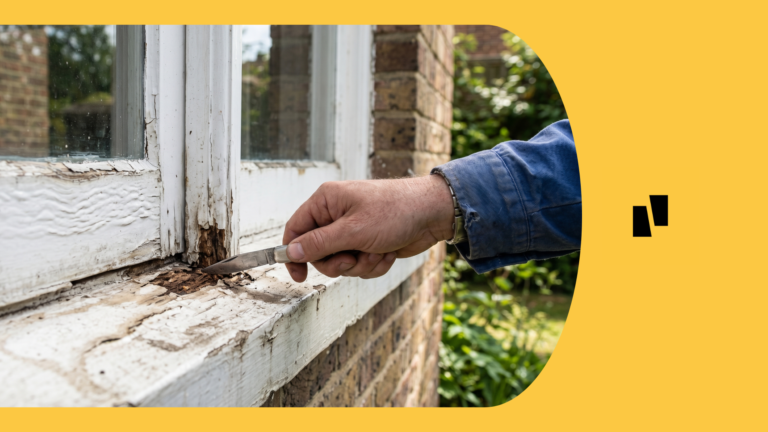
The sealant is the last line of defense for every window and must remain both flexible and airtight for years to come. Professional-grade double silicone sealants have an exceedingly low failure rate of just 0.20% over 20 years and will keep their bond regardless of the harshest conditions. When properly applied, this level of protection keeps windows both airtight and watertight, thus preserving the integrity of your home while also protecting the health of its inhabitants from mold growth and maintaining good indoor air quality. Additionally, surgical type restoration techniques that remove decayed wood and replace it with treated lumber in conjunction with modern components can create a long term solution that retains the historical soul of the property.
Window Care by Rotten Window Repair
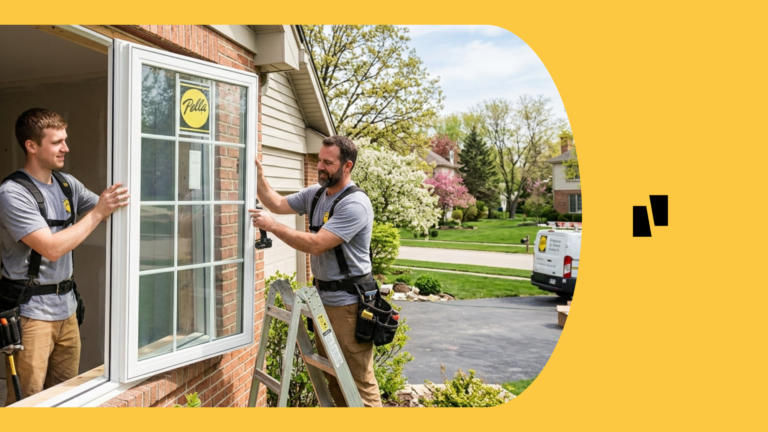
Our team serves over 40 Chicago suburbs and believe that every window can have a second chance. As experts in precision rotten wood replacement, sash, and sill repair, and professional caulking to eliminate drafts and rot, we will only utilize the highest quality materials like Cardinal Glass IG units and back all thermal seals with a 20-year warranty and all woodwork has a 10-year warranty. This will allow your home to remain attractive and protected without the large cost of replacing them completely!
Contact us today for a free assessment:
- Phone: +1 (630) 716-6181
- Email: rottenwindowrepair@gmail.com
FAQ
Why do traditional window seals fail in climates with extreme temperature swings?
Low-quality sealants and polymer-based spacers lose their bond during winter expansion and contraction. Once the seal fails, moisture is drawn in via capillary action, creating a hidden “greenhouse effect” that traps humidity and causes wood frames to rot from the inside out.
What makes stainless steel spacers superior to foam or aluminum?
Stainless steel provides a rigid, highly durable barrier that excels at retaining insulating argon gas and resisting edge condensation. It maintains its structural integrity even under intense UV exposure, high humidity, and extreme heat up to 140°F.
How reliable are professional-grade double silicone sealants?
Professional-grade double silicone sealants act as a powerful final line of defense, boasting an exceedingly low failure rate of just 0.20% over 20 years. When properly applied, they keep units airtight and watertight, protecting against mold and structural decay.